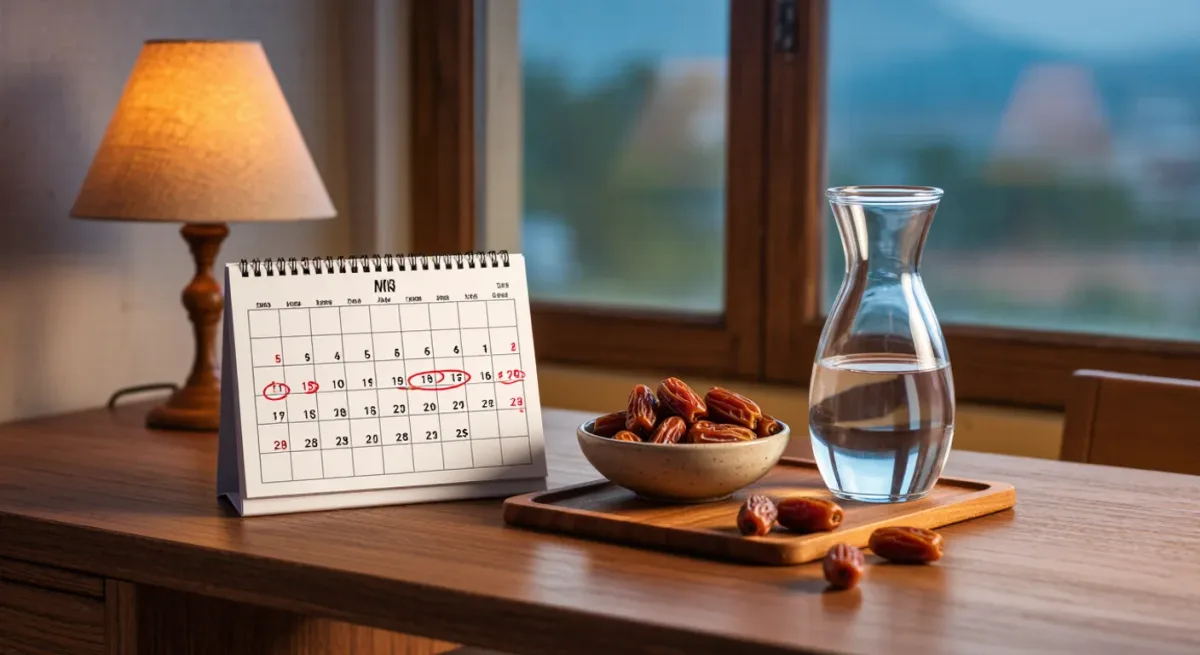
How working hours change during Ramadan in the Gulf
Fasting employees work two hours less per day under UAE and Saudi labour law. Ramadan 2026 ran from mid-February to mid-March; here is how schedules, courts and offices shift.
Expos, sport, entertainment spending and the lifestyle economy of the Gulf.
Fasting employees work two hours less per day under UAE and Saudi labour law. Ramadan 2026 ran from mid-February to mid-March; here is how schedules, courts and offices shift.
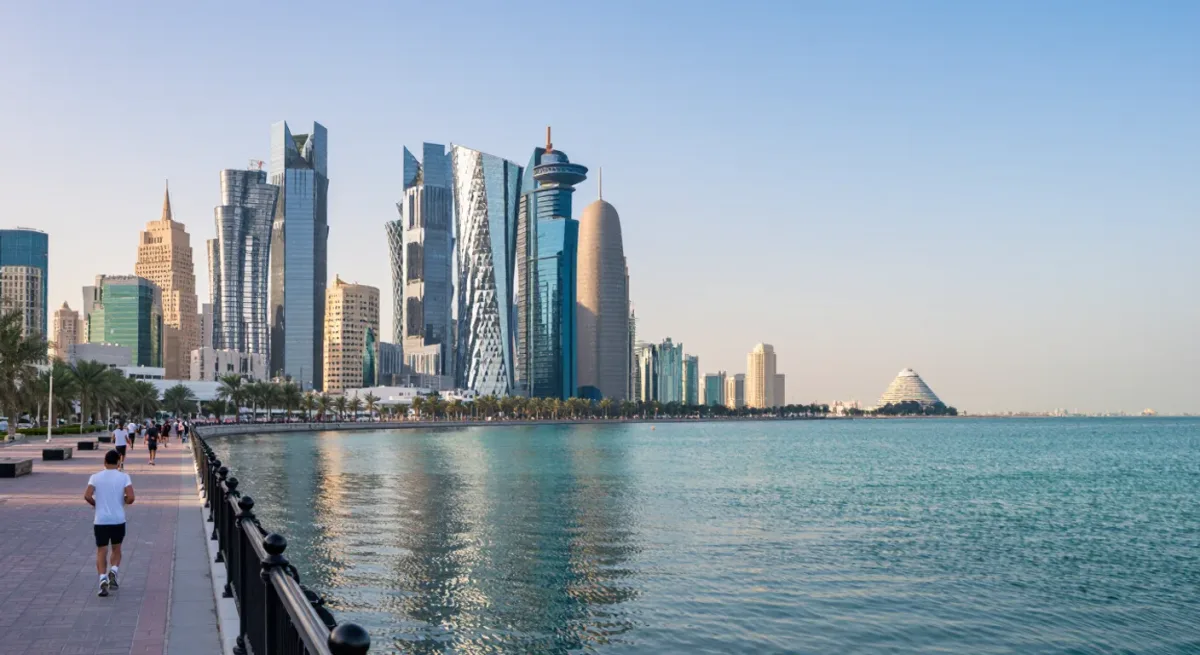
November to March is the window: 24-32C days, outdoor festivals and peak events. Summer means 45C-plus heat, indoor life and the lowest hotel rates of the year.
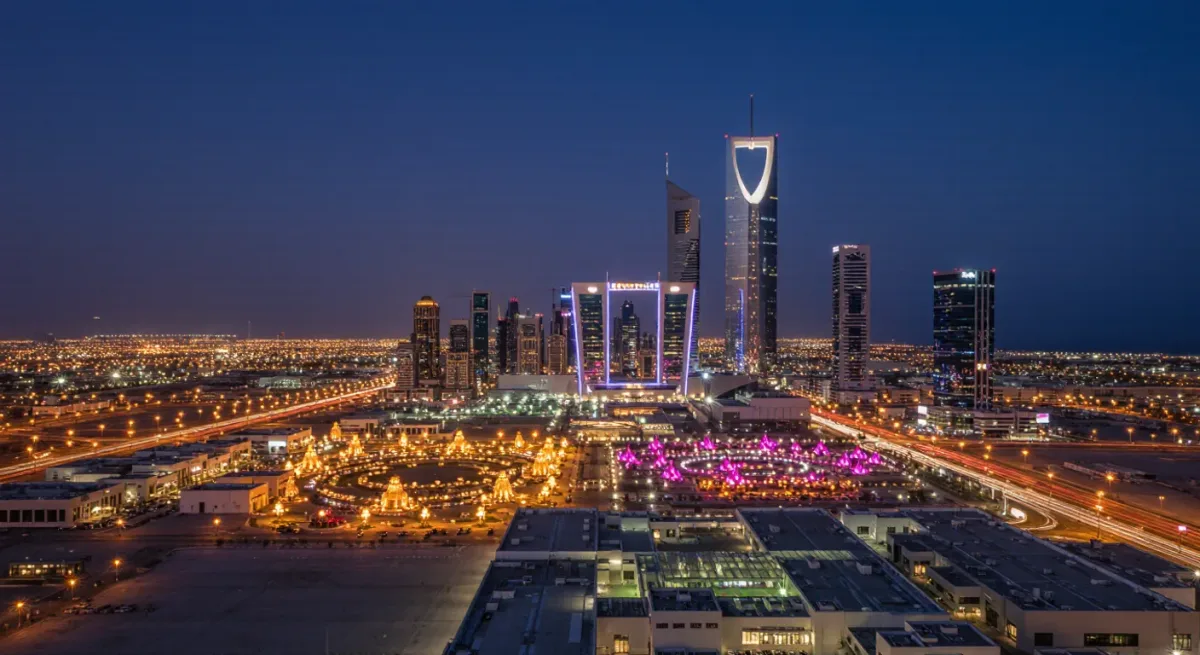
Riyadh Season is Saudi Arabia's months-long entertainment festival: 17 million visitors came to the sixth edition, after 19 million the season before, making it the engine of the kingdom's events economy.
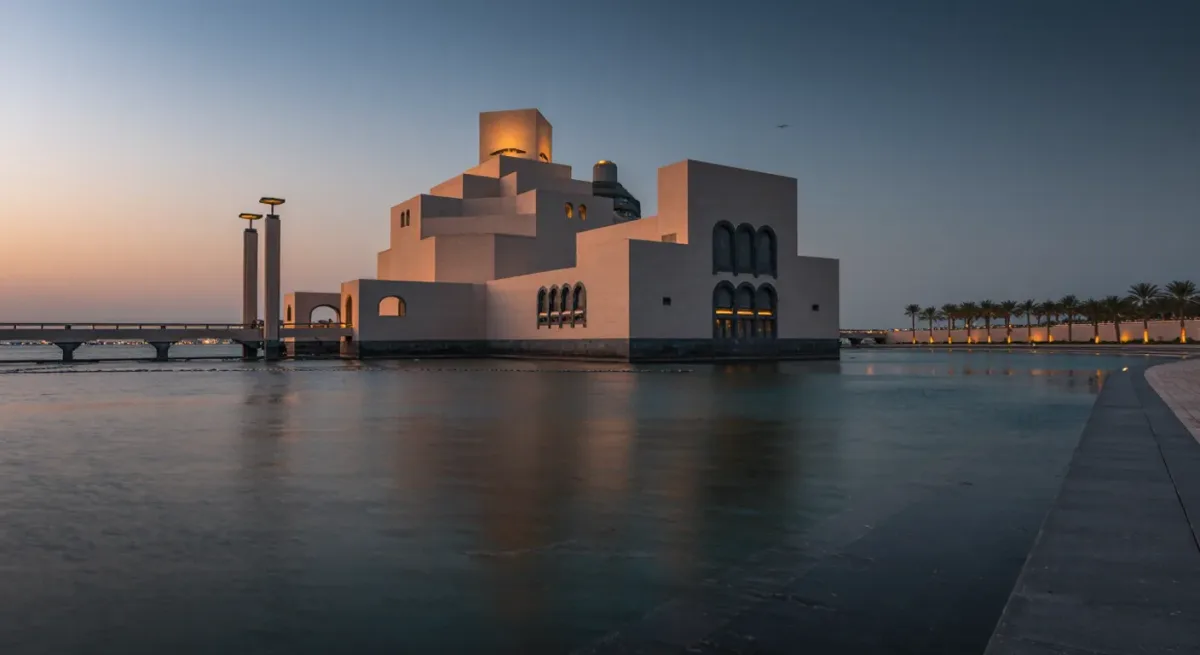
The Museum of Islamic Art opened in 2008 and the National Museum of Qatar in 2019. Together with Mathaf and the sports museum, they anchor a cultural district built on gas wealth.
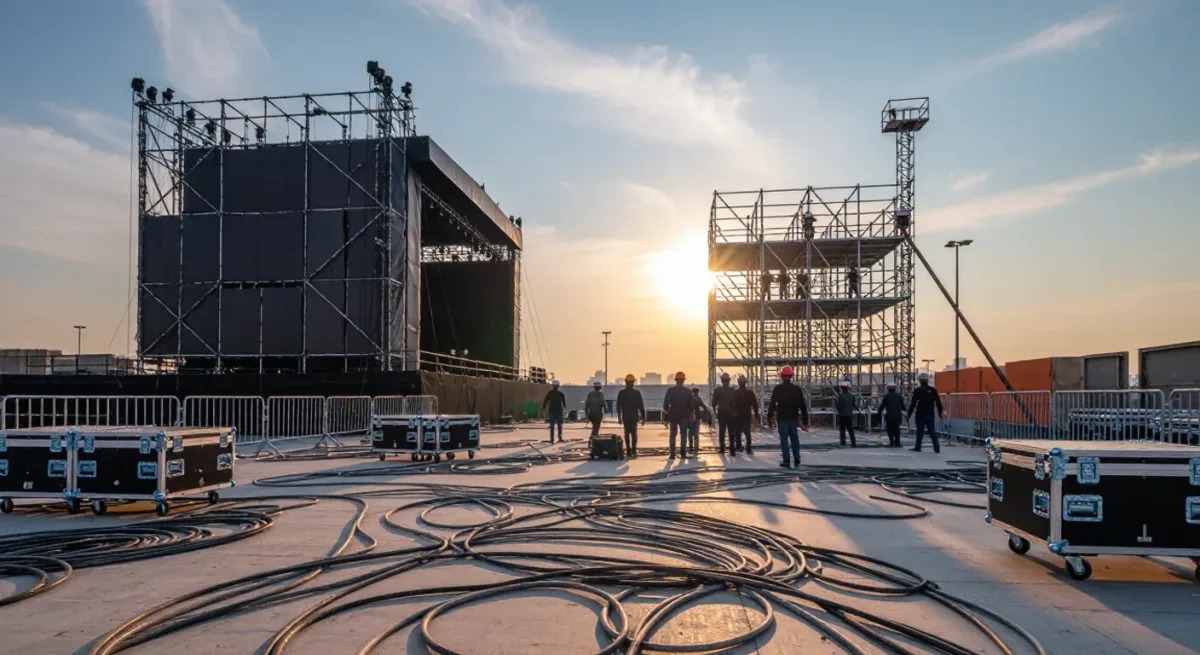
Cinemas returned in 2018 after 35 years; by 2025 the sector hosted 89 million visitors across 1,690 events, with 6,778 companies participating. The numbers behind a new industry.
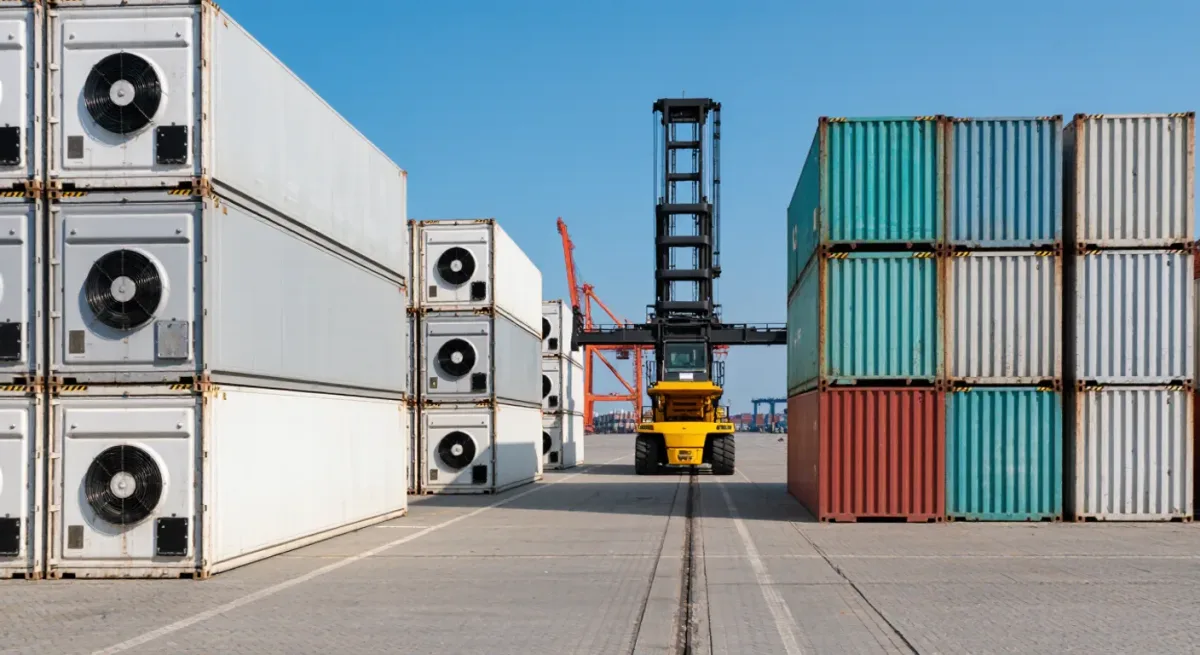
The GCC imports the large majority of its food, 80 to 90 percent by most estimates. The response: stockpiles, farms abroad, and greenhouse technology at home under 2051 strategies.